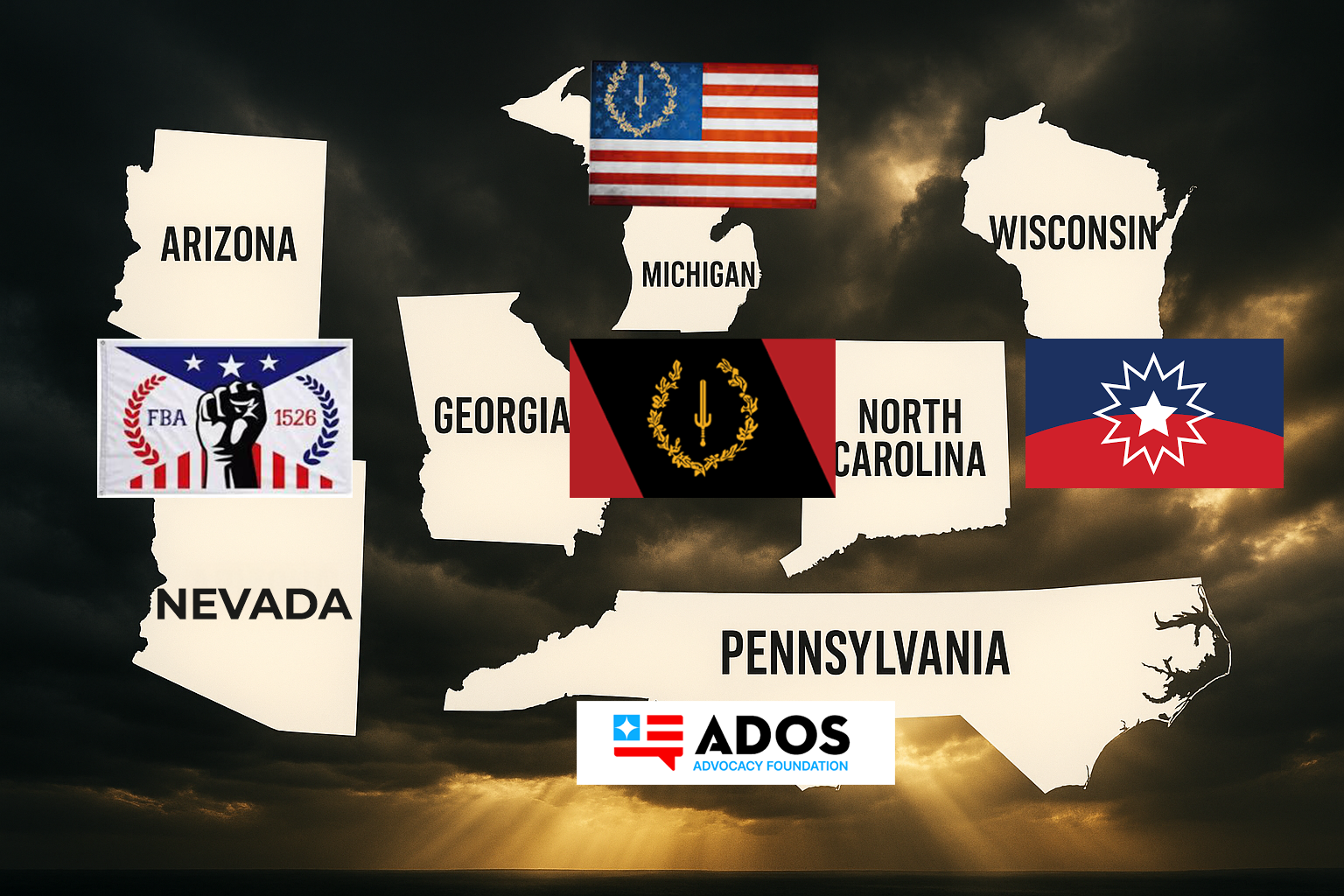
A War With the Diaspora
The fight for reparations is no longer just against white resistance—it’s a war inside Black America itself. On one side stand Black American descendants of U.S. chattel slavery, drawing a hard line that reparations must be lineage-based to survive constitutional scrutiny. Opposing them are Pan-African ideologues and recent African and Caribbean immigrants who portray lineage delineation as xenophobic or divisive, framing precision as a danger to their version of diaspora unity.
But behind the language of unity is strategy: a fight to keep reparations broad, race-based, and therefore meaningless—open to everyone, payable to no one.
The False Charge of Xenophobia
Whenever descendants demand disaggregation of data to identify those actually owed a debt, the opposition cries “division.” Yet lineage is not division—it is precision. The courts have made clear that race-based remedies collapse. Lineage-based repair is the only claim that can stand the constitutional test. Calling it xenophobia is a political shield used to protect interests outside the Descendant community.
Democrats’ Role in the War
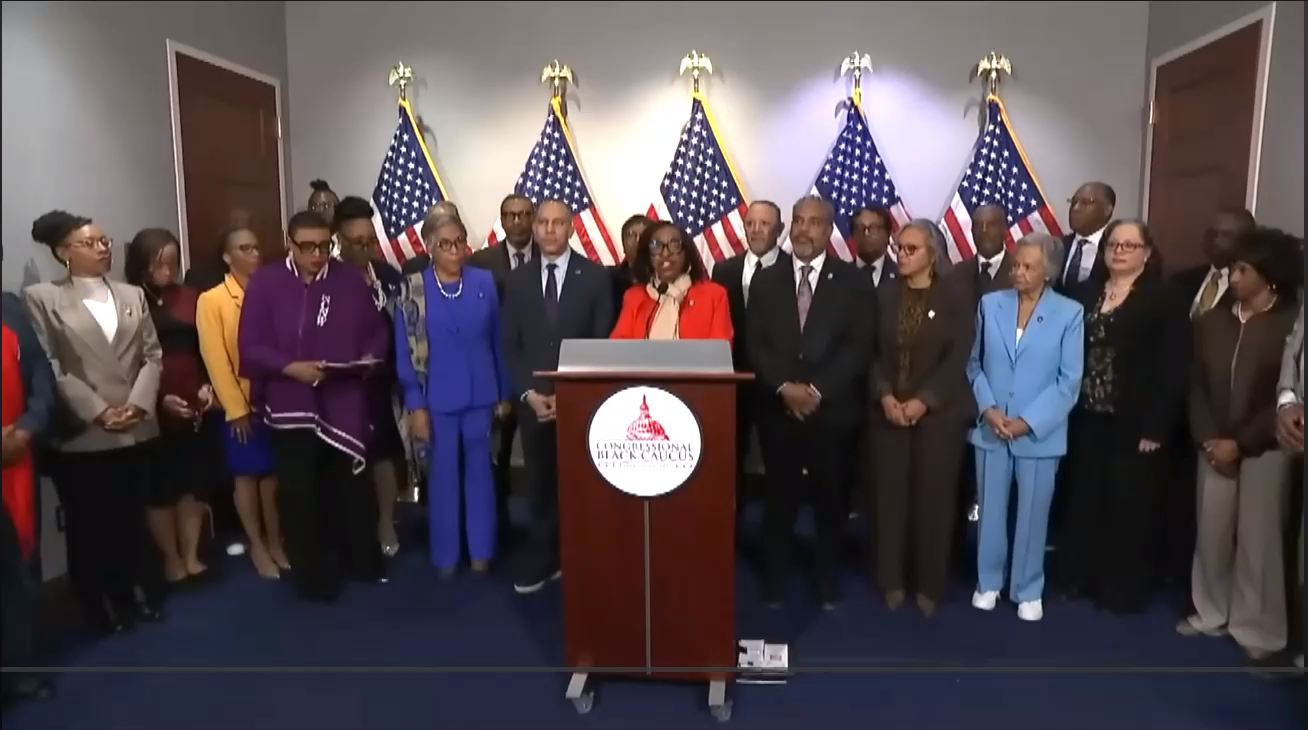
This tension has not emerged in a vacuum. The Democratic Party has funded and fed the confusion. For decades, it has tied Black Americans to the collapsing idea of the “people of color” coalition—a formula that keeps everyone together except in the metrics that matter. Under those coalitions, Black Americans remain last in wealth, health, homeownership, and life expectancy. The system thrives by blurring the line between the descendants of American slavery and those who immigrated long after.
The Cry That Shook 2024
By 2024, descendants had seen enough. Their message was unmistakable: “Reparations or Die.” In battleground states they stayed home, voted Republican, or backed third parties. The fabled blue wall cracked. Democrats didn’t lose from apathy—they lost from arrogance, assuming endless loyalty while denying lineage-based repair. The lesson reverberated through Washington: you cannot buy silence with symbolism.
Flags of a Movement
The lineage-based movement flies its truth in color and cloth.
- Here are the condensed bios in 3 sentences or less (with official or authoritative links):
- Foundational Black Americans (FBA)
FBA is a lineage-based designation for Black Americans who can trace their ancestry to people enslaved in the U.S.; it is not an organization or formal movement. (Official site) Foundational Black Americans officialfba.com - American Descendants of Slavery (ADOS)
ADOS is a grassroots organization created to advocate for reparations and policies specifically targeted to descendants of U.S. chattel slavery. (Official site) ADOS Advocacy Foundation adosfoundation.org+1 - Freedmen (in modern identity use)
“Freedmen” refers to formerly enslaved people and is sometimes used by descendants to assert the identity of those whose ancestors were legally emancipated in the U.S. (1865 and following) — emphasizing a heritage tied to emancipation.
(There is no single centralized “Freedmen movement” with an official site in this context; usage is largely scholarly, genealogical, and community-based.) - Soulaan
Soulaan (sometimes spelled “Soulani” or “Soulaani”) is a self-designation meaning “Soul American” with the dual “aa” implying “Autochthonous American,” created to assert an indigenous connection for Black Americans. Soulaan+1 - Black American Heritage Flag
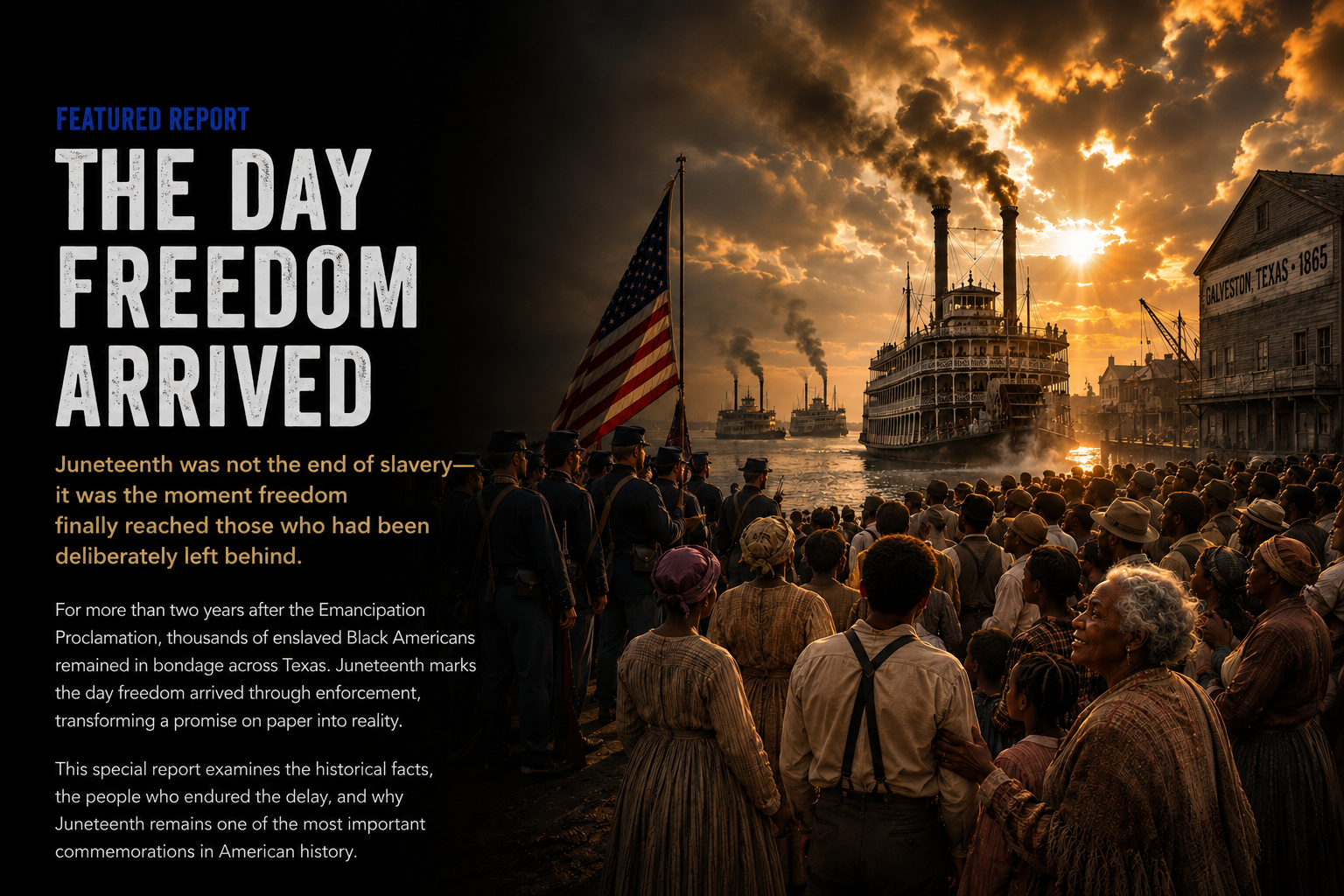
Designed in 1967 by Melvin Charles and Gleason T. Jackson, the Black American Heritage Flag is an ethnic flag representing Black American culture, sacrifice, and resilience. Wikipedia - Juneteenth Flag
The Juneteenth Flag was first created in 1997 by activist Ben Haith (then refined in 2000) to symbolize emancipation and freedom for Black Americans, using the star, arc, and colors to represent a new horizon and the American identity of formerly enslaved people. Wikipedia+2national-juneteenth.org+2
Together, these banners stand in direct contrast to the symbols of assimilation and erasure. They also expose a hard truth: some of the loudest voices undermining Black American politics come from immigrant elites elevated through the very system our struggle built.
In Maryland, Caribbean-born Governor Wes Moore vetoed a bill that would have established a commission to study reparations for descendants of enslaved people—using his office to silence the very justice movement that paved his political path. In Michigan, Austin Chenge, a Nigerian-born GOP candidate for governor, openly vowed to cancel Black History Month, turning lineage-based history into a target of contempt. And in Virginia, Caribbean-born Lt. Gov. Winsome Earle-Sears invoked slavery itself to attack diversity programs, weaponizing our ancestors’ suffering to serve anti-Black agendas.
These examples are not random—they are the reason the flags of the movement exist. Each flag answers this betrayal with clarity: we are a distinct people with a distinct claim that no one else can rewrite or represent.
Democrats and the Crossroads
Ignoring this divide has consequences. In 2024, Democrats fell not from neglect but from their refusal to face lineage truth. They mistook symbolic diversity for solidarity, and they paid the price. Lineage-based advocates made clear: there will be no unity without justice. The blue wall fell under the weight of betrayal, and those who raised the cry “Reparations or Die” now understand the leverage they hold for 2028.
The Battle Over 2028
Pan-Africanists and their allies refuse to admit what the numbers already prove: the descendants who crashed the blue wall now control the margin of victory. The next president will not be chosen by coalitions built on imported identity politics, but by the very lineage that built the nation and bled for its democracy.
Lineage Is Not Division — It’s Survival
Delineation is survival. Without it, reparations die in court and in Congress. With it, the claim is specific, traceable, and undeniable. Those who call lineage divisive are not protecting unity—they are protecting access to resources that do not belong to them.
AR1870’s Stand
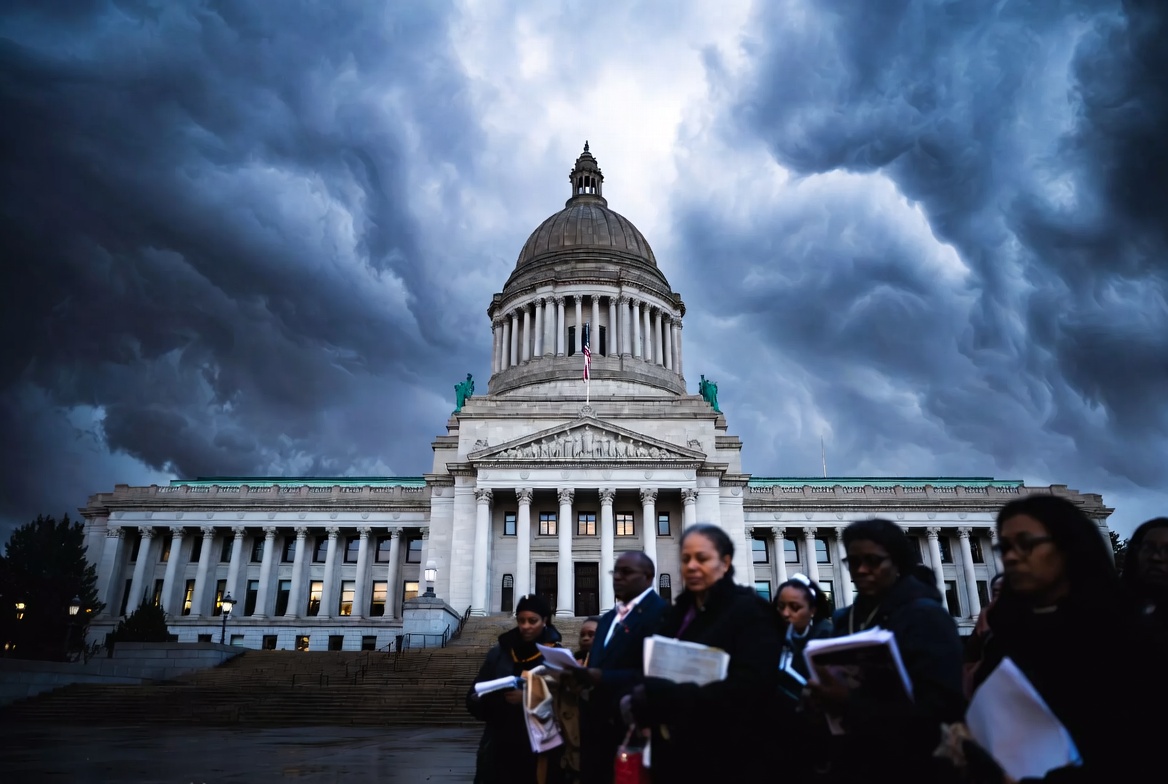
American Renewal 1870 helped craft the nation’s first lineage-based reparations study in Washington State. We know the difference between symbolic inclusion and structural repair. Our mission is to guard the integrity of this fight—exposing dilution, educating the public, and pressing leaders to honor the Descendant claim.
“Guarding the Promise of Reparative Justice.”