
Reparations Is a Specific Debt, Not a Broad Gesture
Reparations is not an abstract ideal. It is not about symbolic gestures or pan-racial solidarity. It is the fulfillment of a concrete debt owed to the descendants of Black Americans enslaved in the United States. Yet in New York and across the country, Pan-Africanist organizations are working to reshape this debt into something else entirely, and the result is confusion, dilution, and betrayal of the very people reparations were meant to repair.
The Role of NAARC and N’COBRA
Groups like the National African American Reparations Commission (NAARC) and the National Coalition of Blacks for Reparations in America (N’COBRA) have positioned themselves as national leaders on reparations. Their message is clear: reparations should be a “big tent” program, open to anyone of African descent, regardless of lineage. This approach might sound inclusive, but in practice it erases the unique history of U.S. chattel slavery and turns reparations into a generic racial equity fund.
Fights Inside New York’s Task Force
New York’s task force has already seen the consequences of this Pan-African influence. Fights have broken out between Black American activists — who demand that eligibility be tied to direct lineage from enslaved people in the United States — and NAARC/N’COBRA advocates who want to expand the definition. The broader the tent, the weaker the claim. By shifting reparations from a lineage-based debt to a race-based entitlement, these organizations set the entire effort up for legal failure.
Legal and Moral Clarity Comes From Lineage
The danger isn’t only legal. It’s moral. Reparations without lineage is reparations without justice. The wealth stripped from enslaved labor, the centuries of government-backed oppression, the generational poverty and stigma — these are harms that belong to one community. Pan-Africanism may have its place in cultural unity and political solidarity, but it has no place in defining who is owed reparations for U.S. slavery.
Washington Shows the Right Path
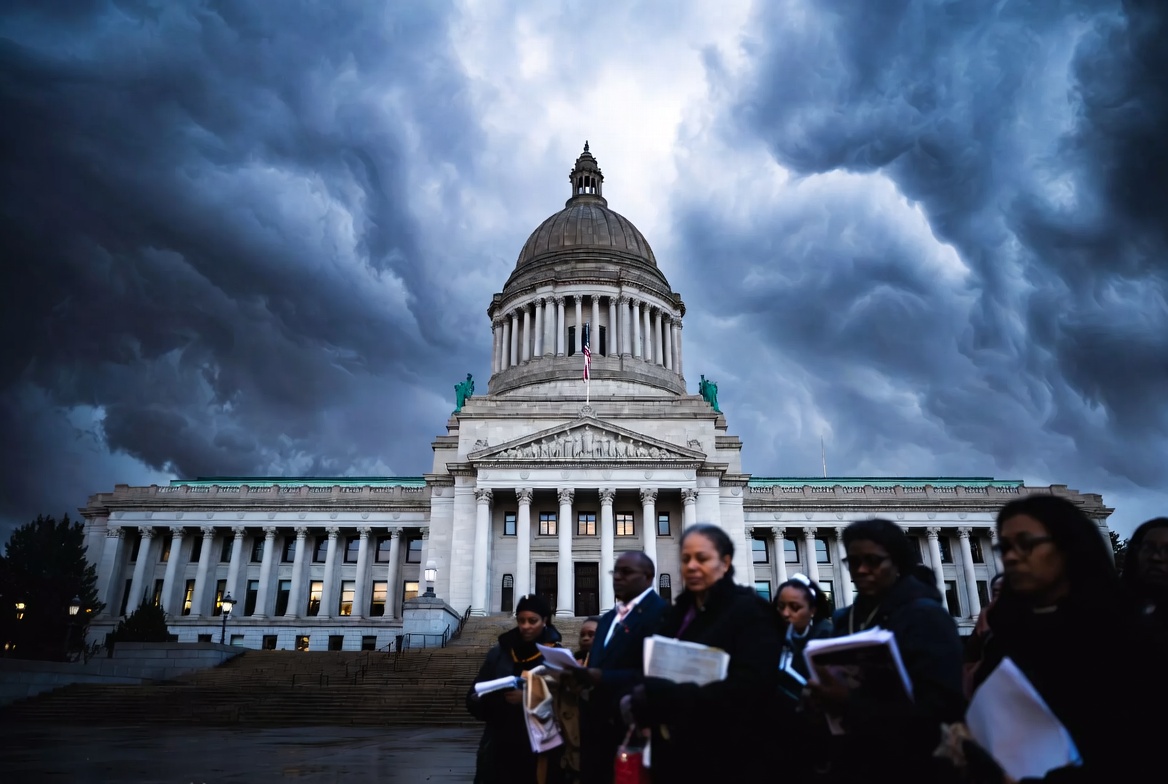
Contrast this with Washington State. With AR1870’s advocacy, lawmakers there built the nation’s only current lineage-based reparations study. The Charles Mitchell and George Bush Reparative Study does not leave eligibility to interpretation. It is rooted in history, genealogy, and the lived reality of descendants. This clarity not only honors the moral debt, it protects the program from being dismantled in court. Washington proved that when you build on lineage, you build on bedrock.
The Cost of “Big Tent” Experiments
Meanwhile, NAARC and N’COBRA continue to push cities and states into “big tent” experiments that will inevitably collapse. They recruit Pan-African academics and activists to advisory boards, draft reports that blur eligibility, and promote frameworks that treat reparations as a global Black solidarity project. The result is wasted time, wasted money, and communities left even more disillusioned when courts strike down the programs.
AR1870’s Watchdog Role
AR1870’s role is to sound the alarm. We are watchdogs for the Descendant Community, reminding legislators, task forces, and the public that reparations cannot be stretched to cover everyone. “Too many cooks spoil the recipe” is more than a proverb; it is a warning. If New York follows the NAARC/N’COBRA model, it will serve up a program that pleases no one, heals no one, and delivers nothing.
Choosing Lineage Over Ideology
The path forward is not complicated. Reparations must be lineage-based, targeted, and uncompromising in scope. America owes a specific debt to a specific people. Descendants of U.S. chattel slavery cannot afford to see that truth watered down by Pan-African “big tent” politics. Washington showed what’s possible. It is time for New York, and every state that follows to choose clarity over confusion, justice over dilution, and lineage over ideology.
Sidebar: Who Are NAARC and N’COBRA?
- The National Coalition of Blacks for Reparations in America (N’COBRA): Founded in 1987, N’COBRA has claimed the mantle of national leadership on reparations for nearly four decades. Despite its longevity, it has not delivered tangible reparations victories for descendants of U.S. chattel slavery.
- The National African American Reparations Commission (NAARC): Created in April 2015, NAARC bills itself as a modern think tank for reparations policy. Yet, in the decade since its founding, it has failed to produce visible wins for the community it claims to represent.
Together, these two organizations have dominated the “big tent” reparations narrative — but neither has produced the outcomes that the Descendant Community deserves. Their track record makes clear why watchdogs like AR1870 must insist on lineage-first, results-focused models