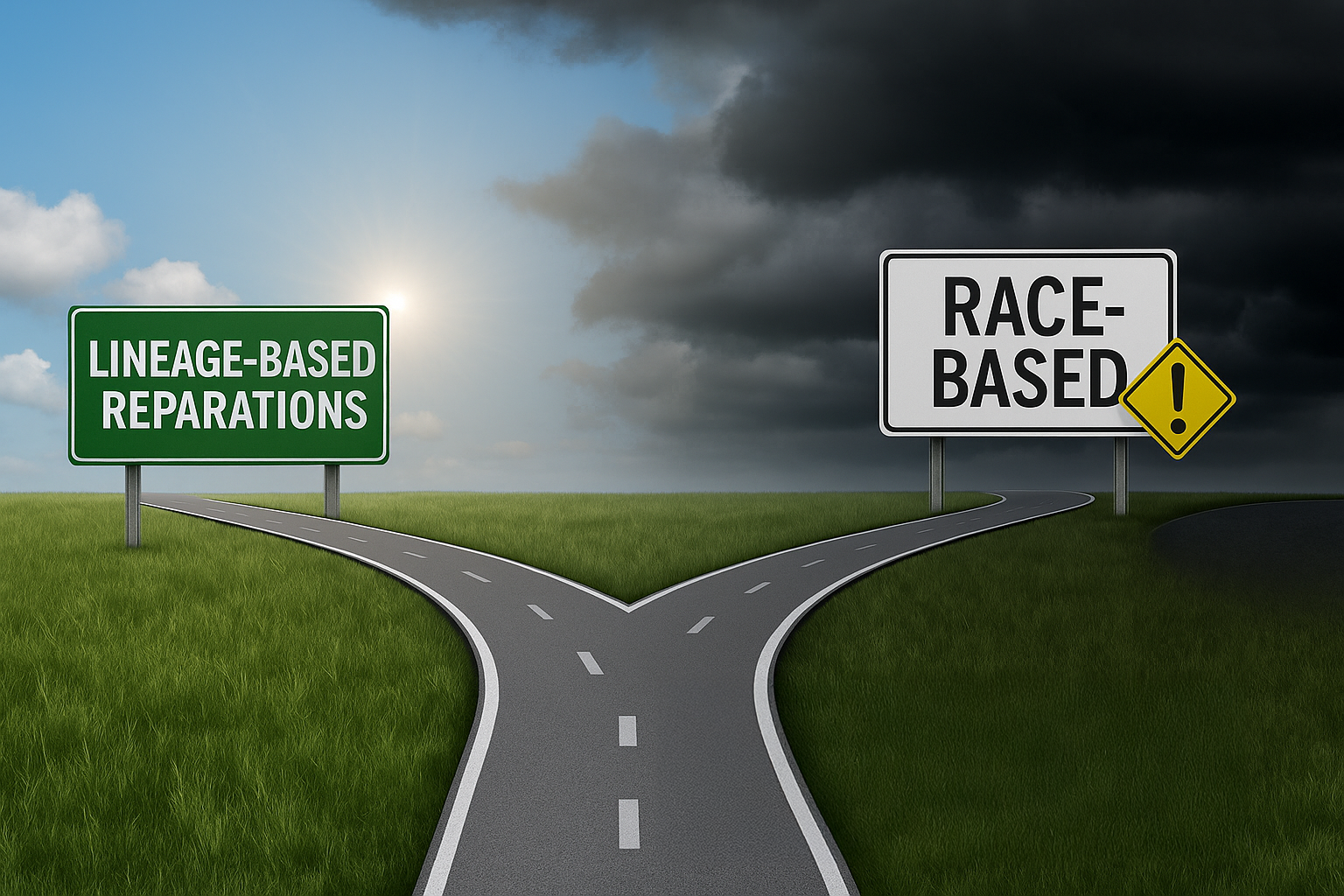
Washington State’s reparations work began on the right foundation: lineage.
When AR1870 work with Alliance partners to craft the language of the Charles Mitchell & George Washington Bush Reparative Study, we fought for one non-negotiable truth, reparations must serve the descendants of U.S. chattel slavery. That clarity protected the study from the legal traps now unraveling so many local efforts.
Contrast this with Washington’s Covenant Homeownership Program. Billed as “reparative,” the program is race-based, extending aid to anyone who can check a box for race, regardless of lineage. As State Senator Leonard Christian himself noted, such a design dilutes reparations by ignoring the very people harmed: Black American descendants of slavery. Worse, it leaves the program exposed to equal-protection lawsuits that are already striking down similar efforts nationwide.
History is already teaching us:
- Evanston’s race-based housing reparations are tied up in federal court.
- California’s task force was torn apart by diaspora fights over race vs. lineage.
- New Yorkers are presently being torn apart by diaspora fights over race vs. lineage.
- Across the country, programs that confuse reparations with equity aid collapse under scrutiny.
Washington’s lineage-based model shows the only path forward: repair tied directly to the harm of U.S. slavery, with programs designed to withstand legal challenge. Anything less wastes time, burns resources, and demoralizes the very community reparations are meant to repair.
Cities and Towns, and States must learn this lesson now. Don’t imitate the Covenant program’s errors. Don’t set up your community to fail. Build lineage-based reparations — and protect the promise of justice.
At AR1870, we remain committed to guarding that promise.